GENOME (1975-2025):

Classic bindings.

“If the book that has touched us, and that has conquered our affection, comes to us in tarnished diapers, we offer it a better garment according to the reasonable canons of bibliophilia or according to our fair possibilities. Once this simple ceremony of almost nuptial character is celebrated, the book is kept in a preferential place near us. The warmth of its company does not lose its virtue, even if it remains closed. The heart of the book never stops beating.”

Brugalla, E. (1965). The heart of the book never stops beating. (J. Mengu) – boldandcursive blog.

A classic binding is one that follows patterns of construction and decoration framed within the tradition inherited from our ancestors.

These books aspire to respect the work through mimesis. Whether it is a restoration of the original cover or a reinterpretation of a modern edition, the classic binding embraces the design without any ups and downs. Discreetly, solemnly.

Words must be kept as treasure. Treasure that safeguards and testifies what we were, so that we will never forget it. And although memory leads to eclectic paths and is contradictory to history; they will remain alive for everyone to decipher. And we, bookbinders, will contribute something to this hieroglyphic: sometimes they will be lights with more precise styles. Others: contradictions, confusions, incongruities. Ghosts of false reasons. But the book as a whole will be a precious piece, kneeling before the critical thought
.

Classic binding avoids pretentiousness (although it loves gold leaf); it believes itself to be discreet (even if it goes for the most rococo irons); it is rigorous (even if it turns books into catalogs of Art-Nouveau motifs).

The classic binding is that piece that beats in the home of every bibliophile. As a unique testimony, as an unquestionable, irreproachable, indispensable relic. The classic binding is the motif of all my father’s work, it is the genome from which we start, the raison d’être of the book, our highest aspiration.

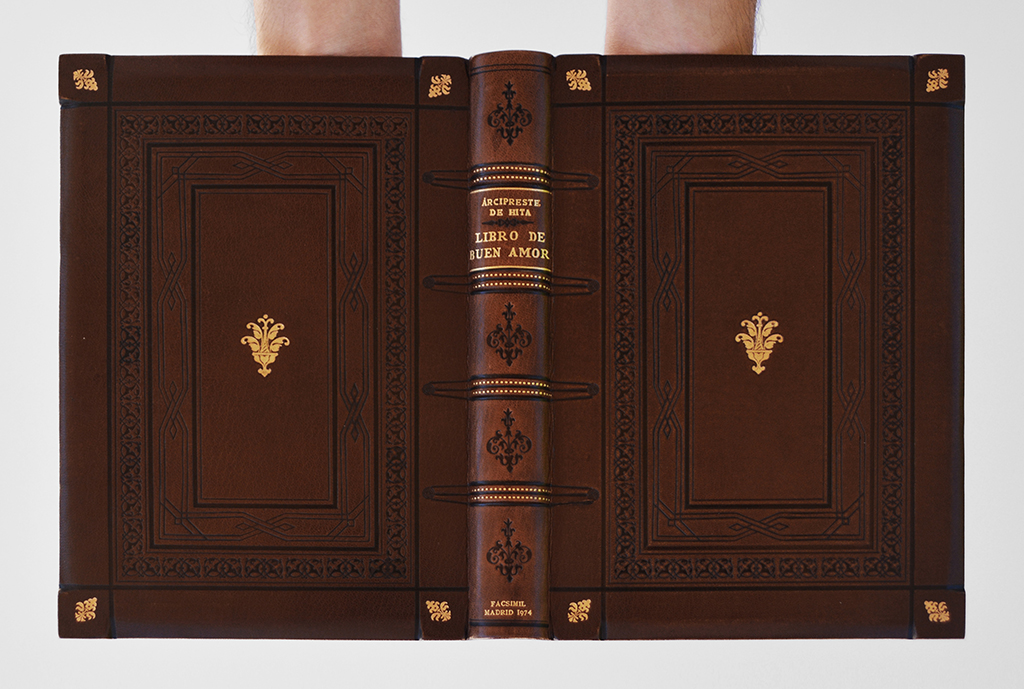
Libro del buen amor. Archpriest of Hita.

Binding 1998.
Facsimile edition 1974.
Private collection.
©Mínguez

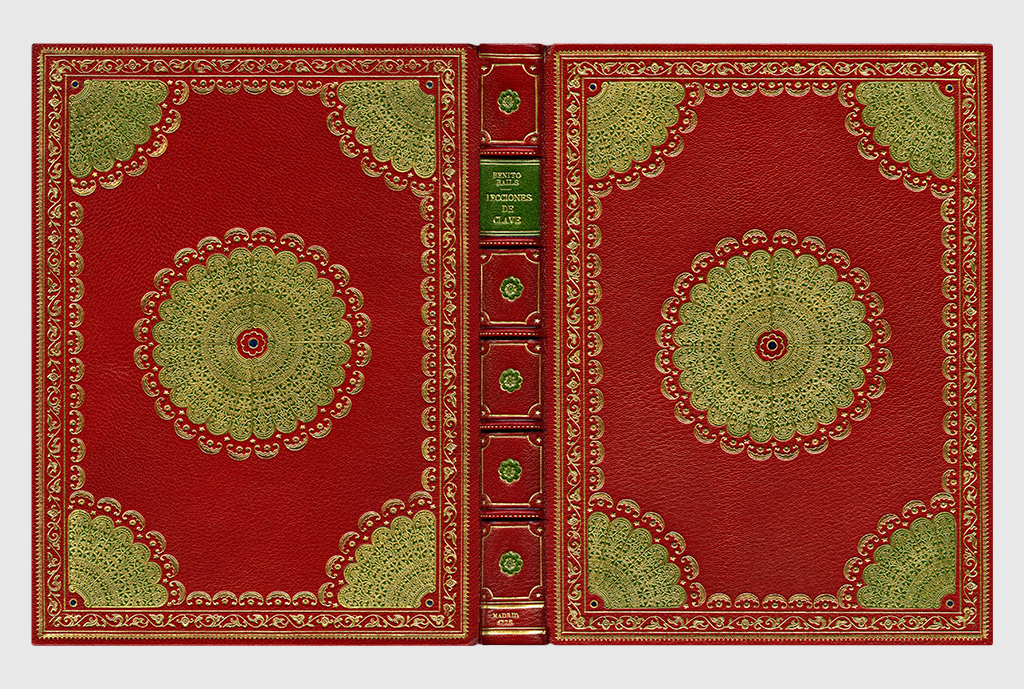
Lecciones de clave. Benito Bails.

Binding 2010.
Edition 1775.
Private collection.
©Mínguez

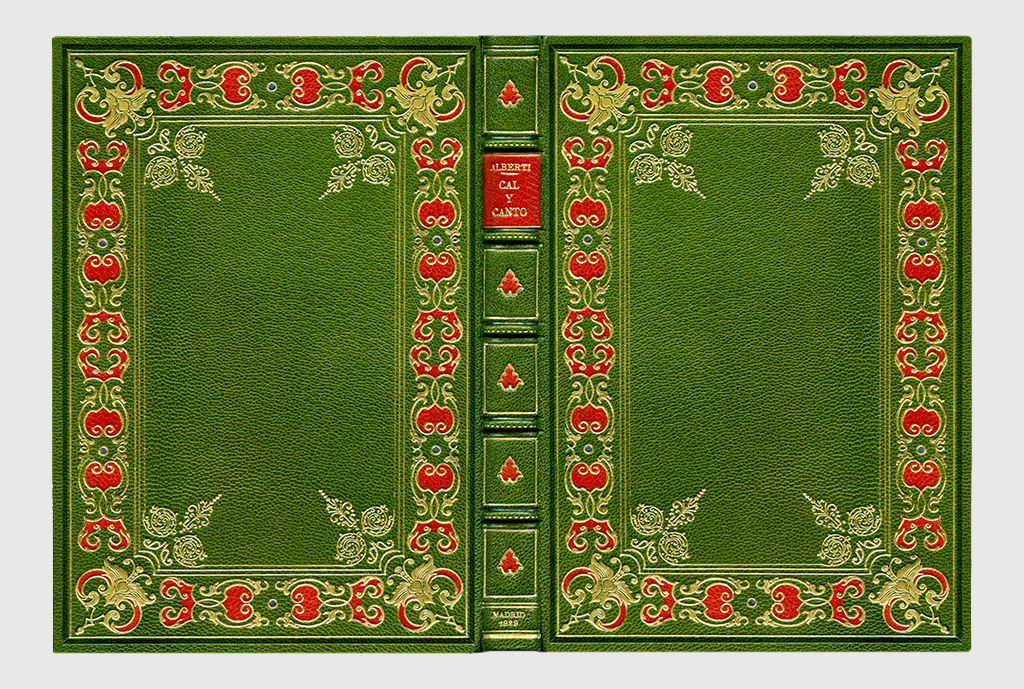
Cal y Canto. Rafael Alberti.

Binding 2010.
Edition 1929.
Private collection.
©Mínguez

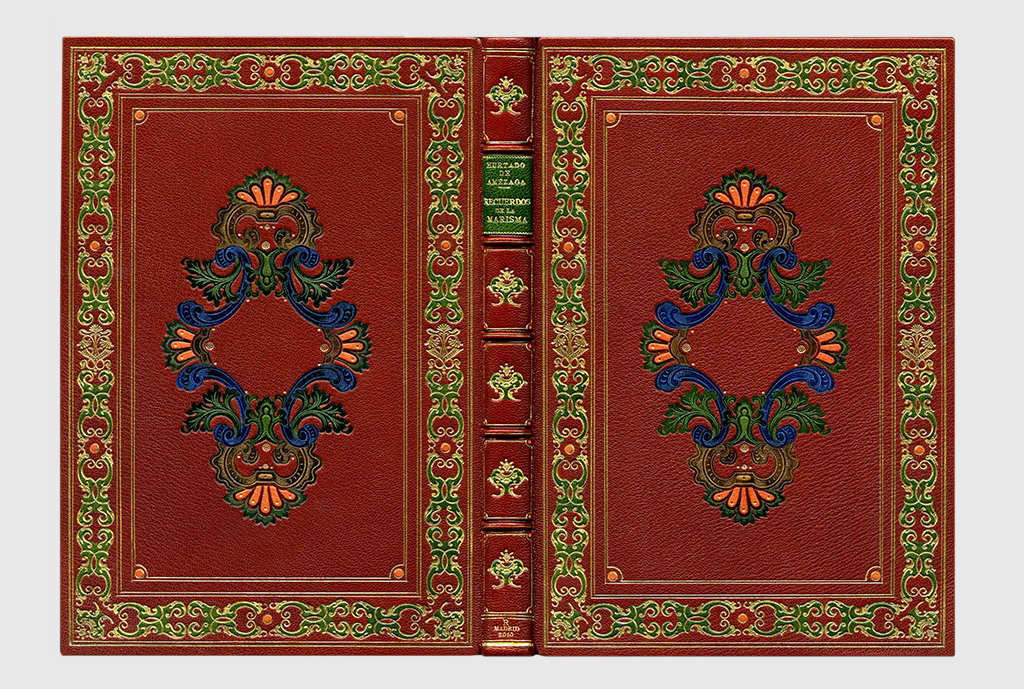
Recuerdos de la marisma. Camilo Hurtado de Amézaga.

Binding 2011.
Edition 2010.
Private collection.
©Mínguez

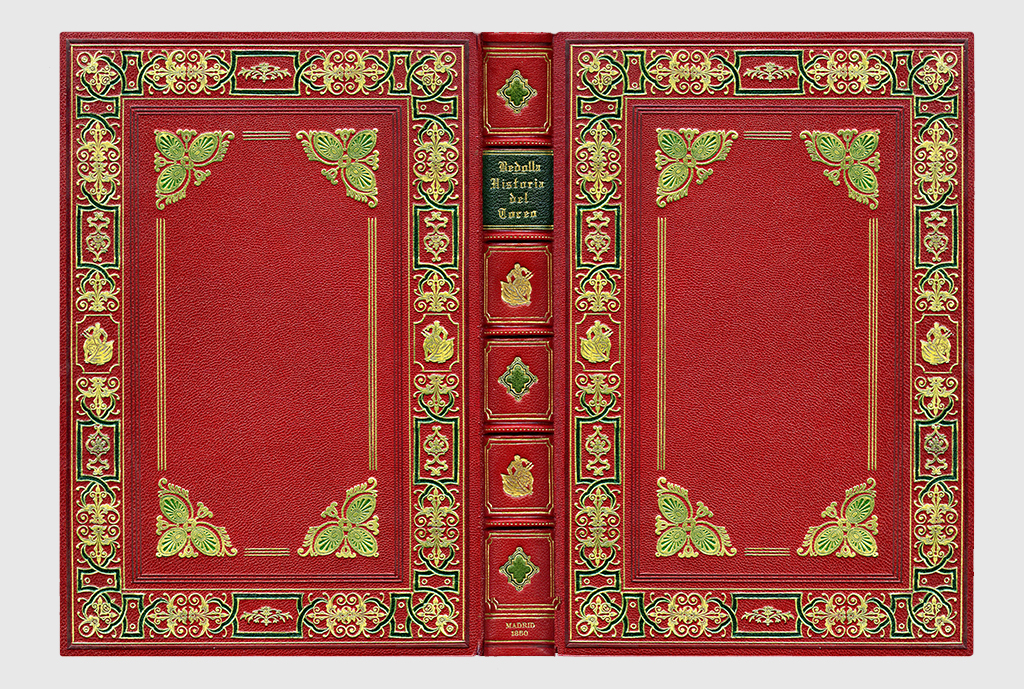
Historia del Toreo. Fernando G. de Bedoya.

Binding 2014.
Edition 1850.
Carriquiri Library.
©Mínguez

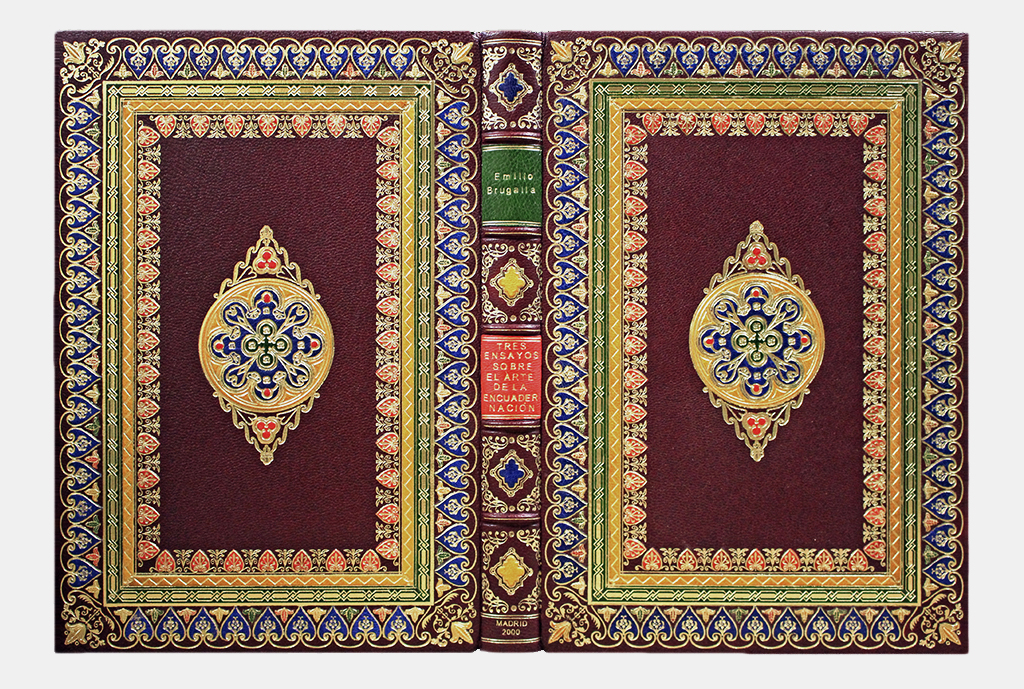
Three essays on bookbinding. Emilio Brugalla.

Binding 2018.
Edition 2000.
Private collection.
©Mínguez

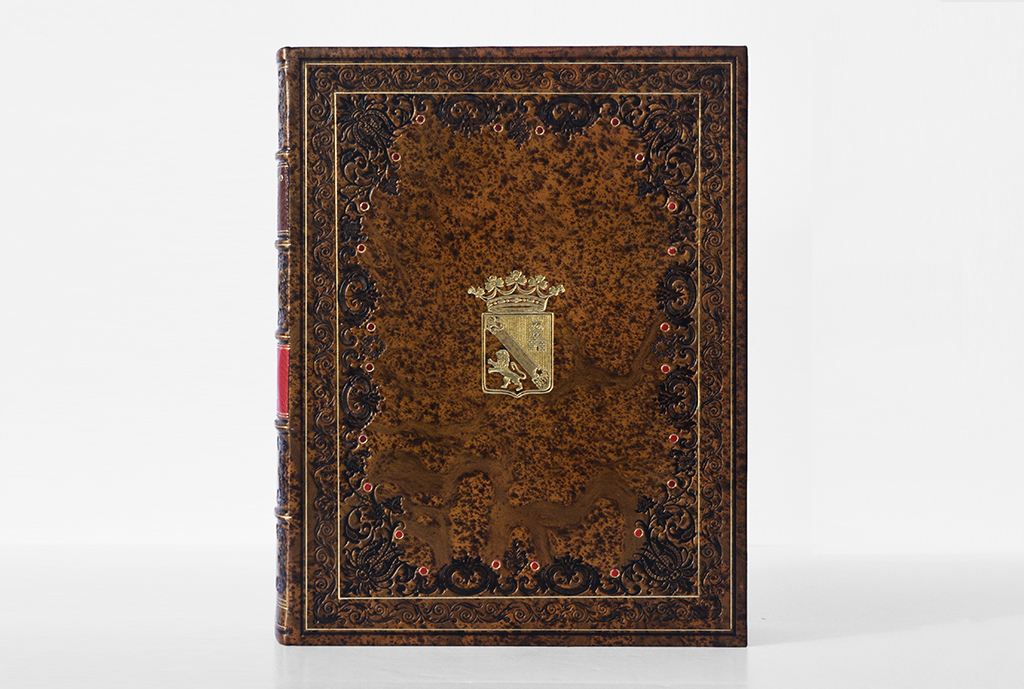
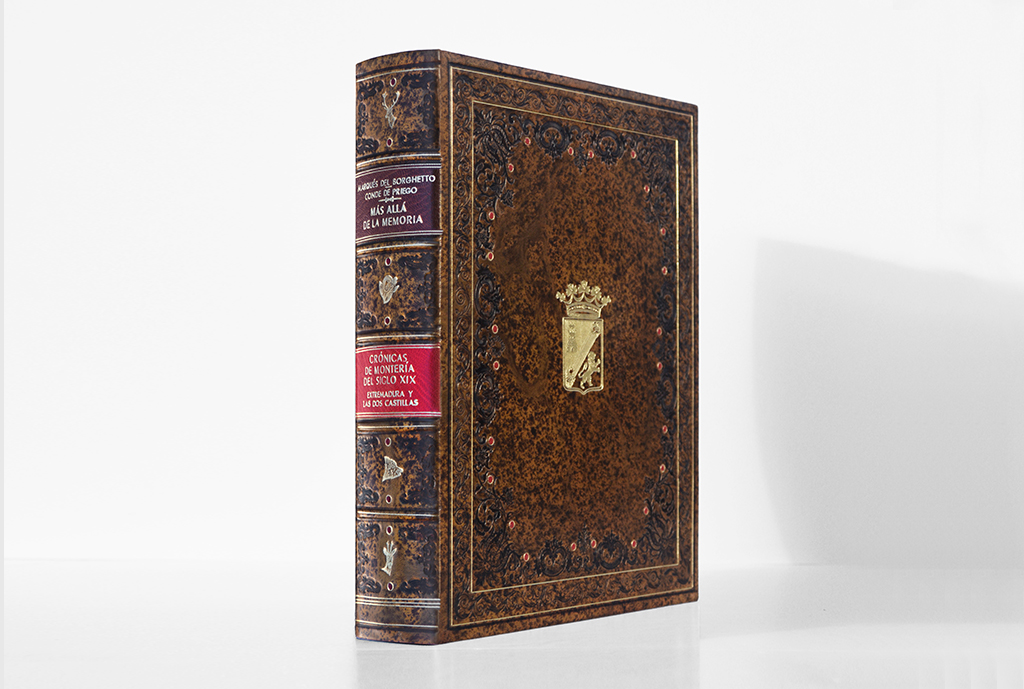
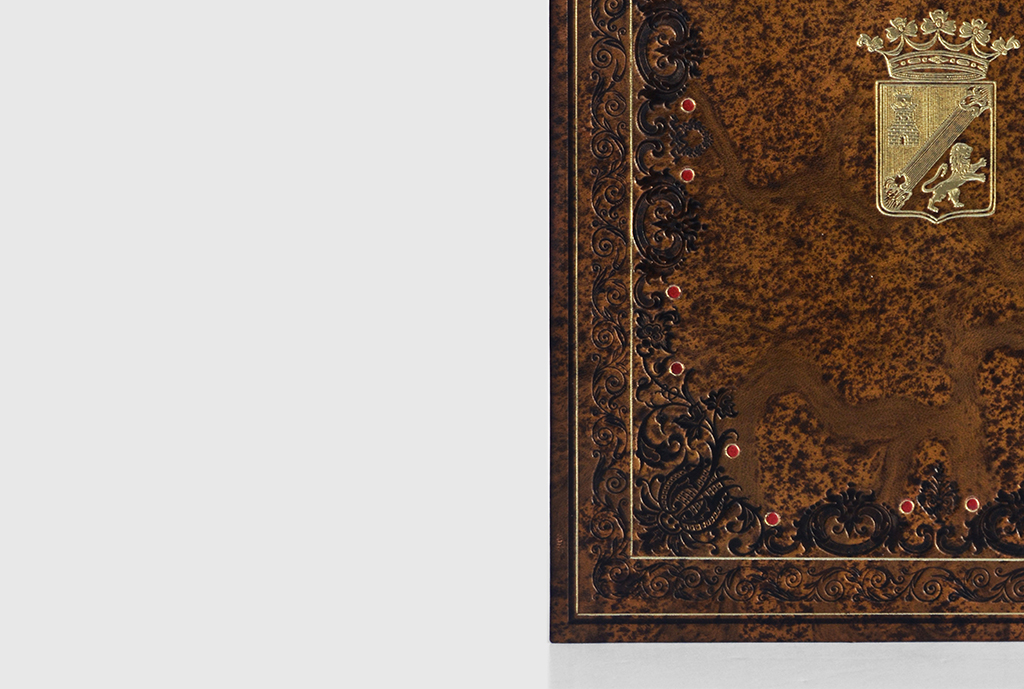
Más allá de la memoria. Marquis of Borghetto and Count of Priego.

Binding 2024.
Edición círculo de Bibliofilia Venatoria.
Private collection.
©Mínguez

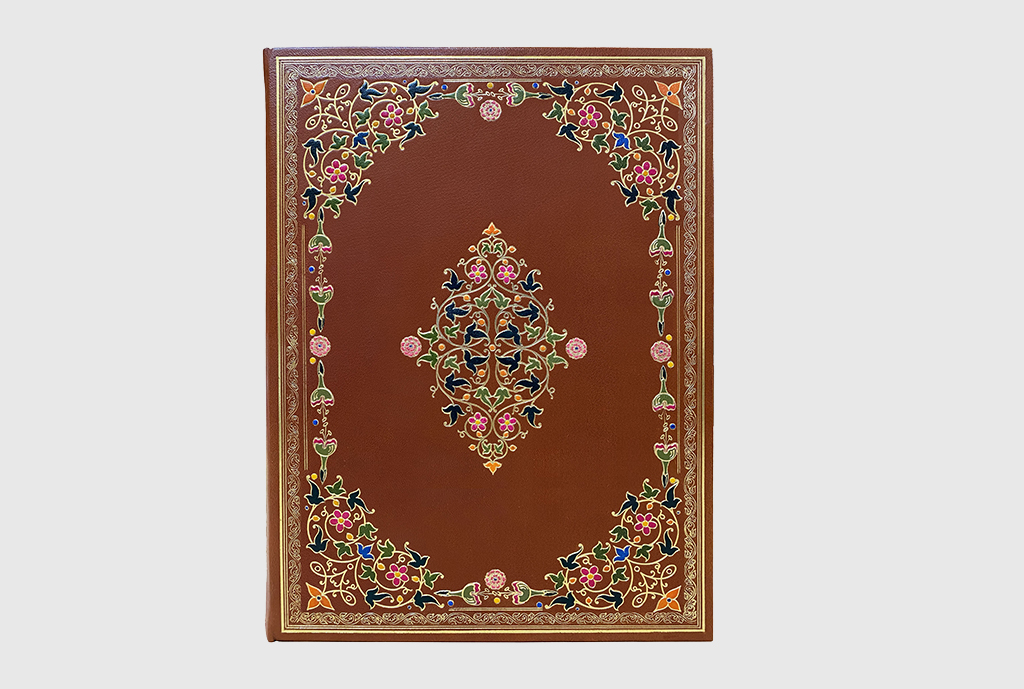
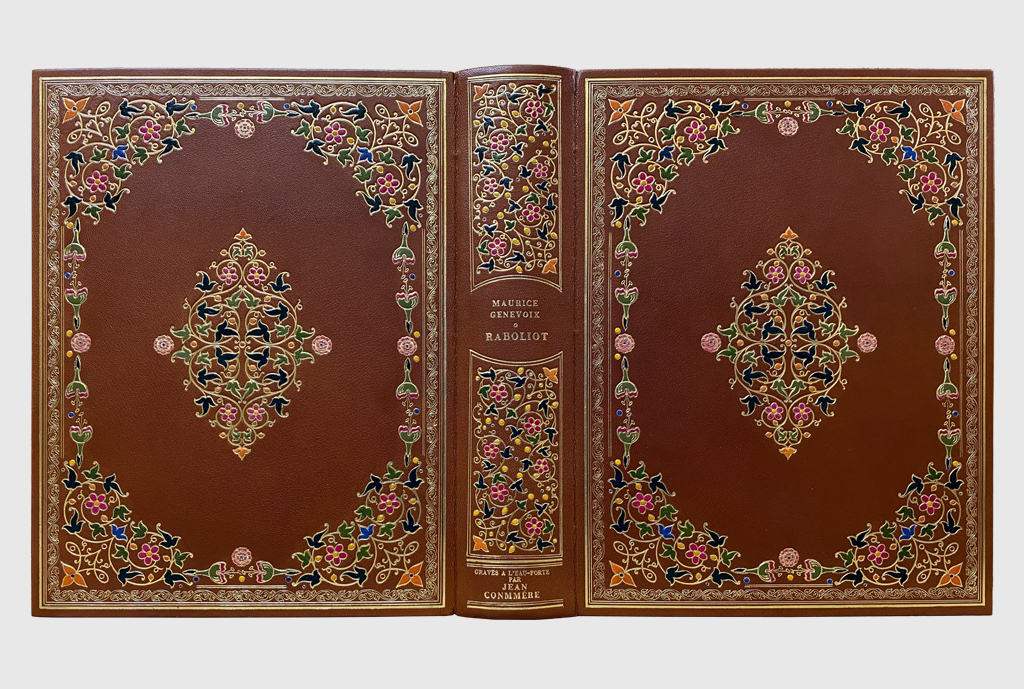
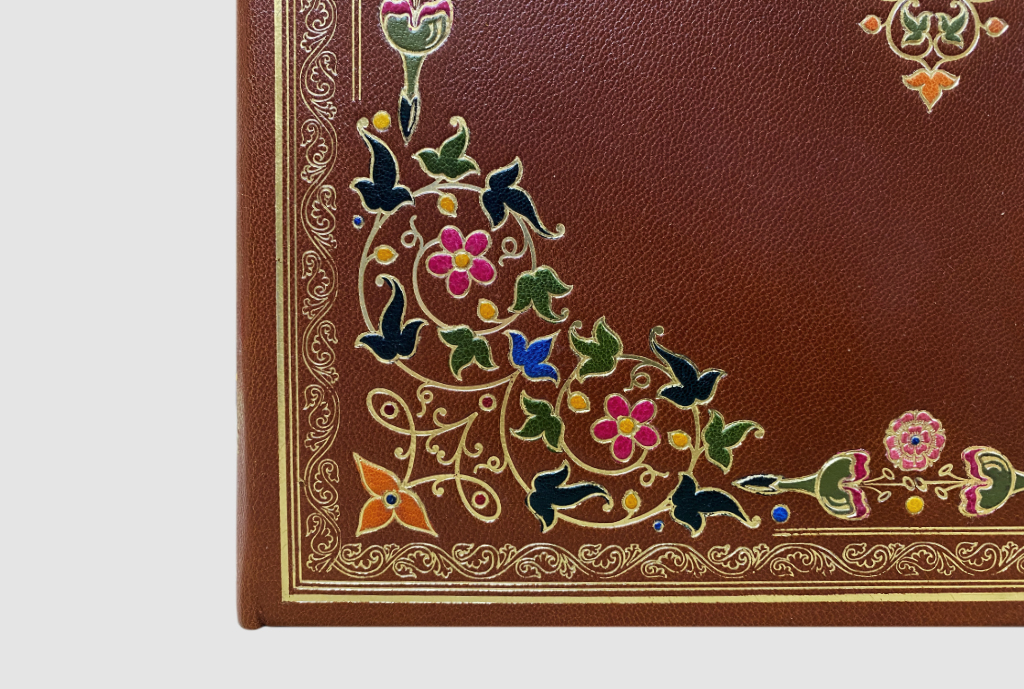
Raboliot. Maurice Genevoix.

Binding 2022.
Edition with etchings by Jean Conmmére.
Private collection.
©Mínguez

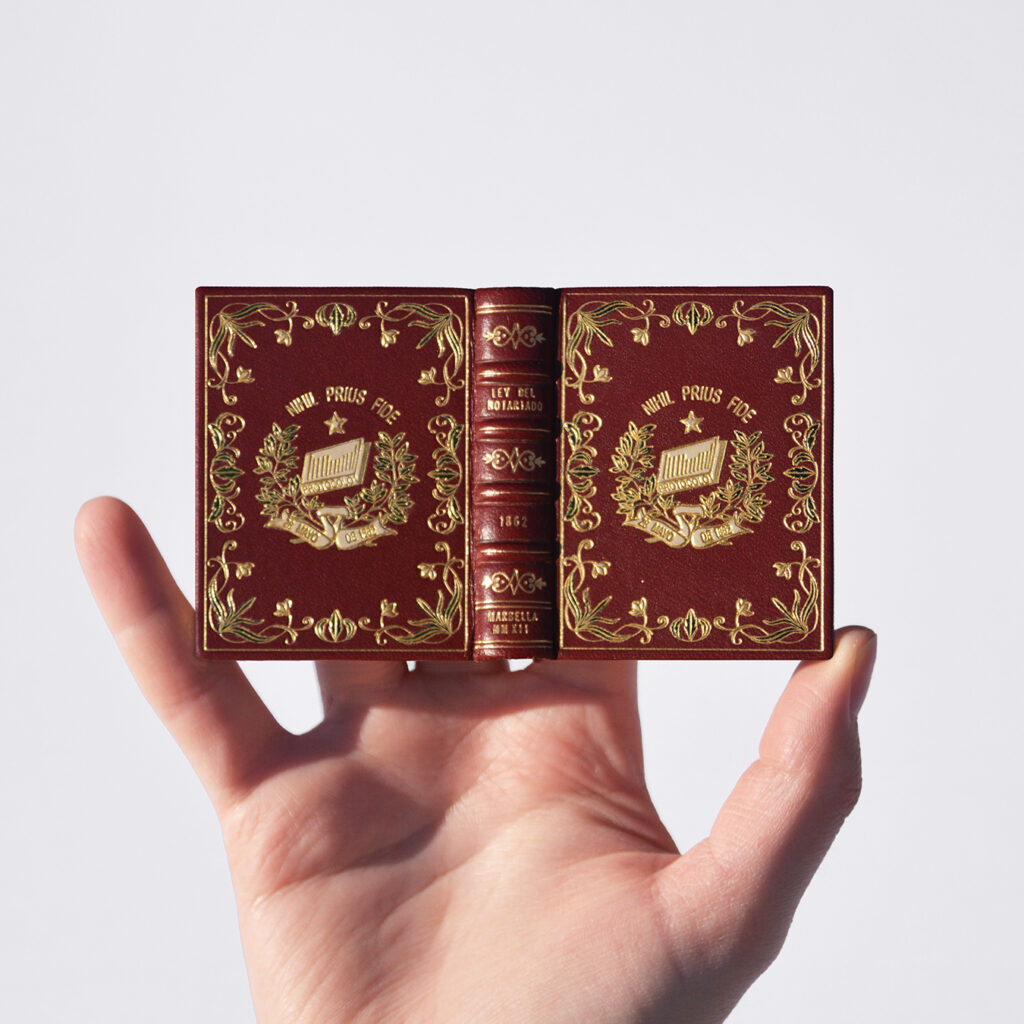
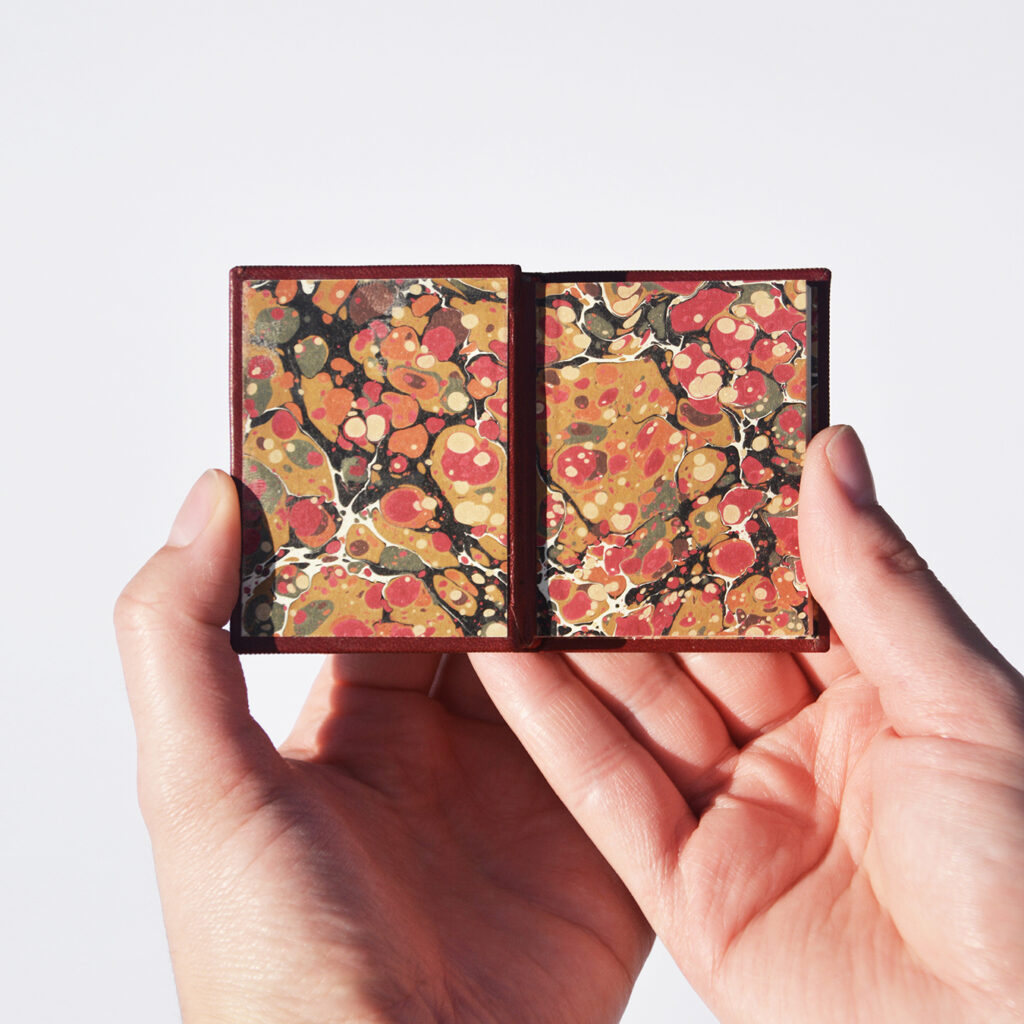
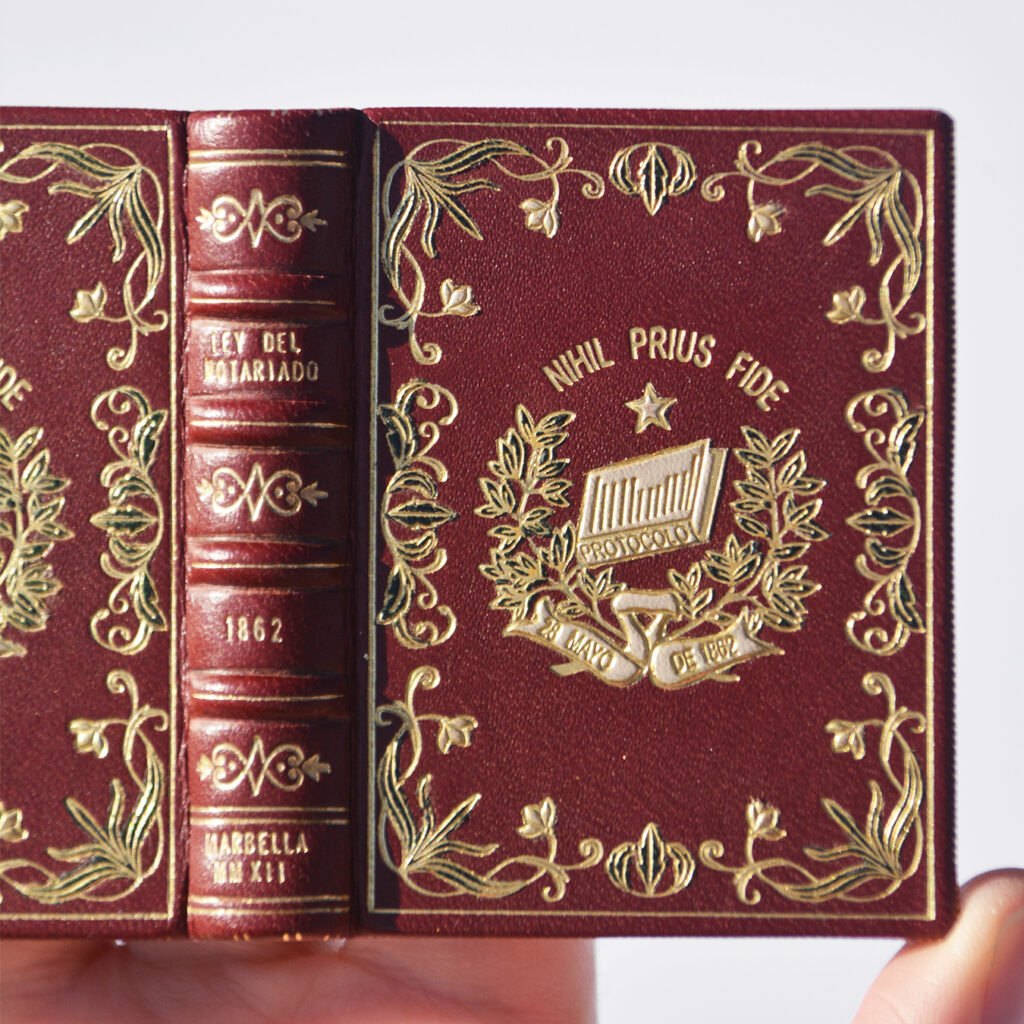
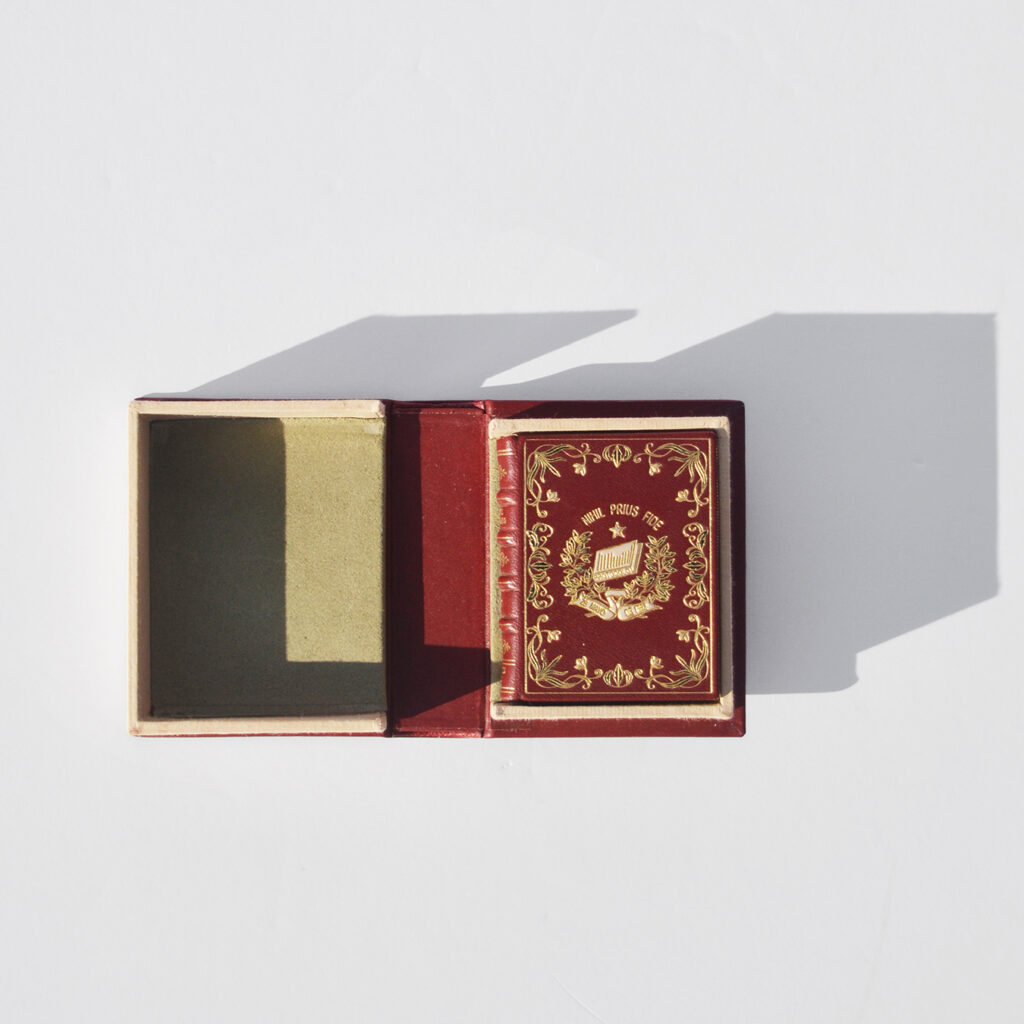
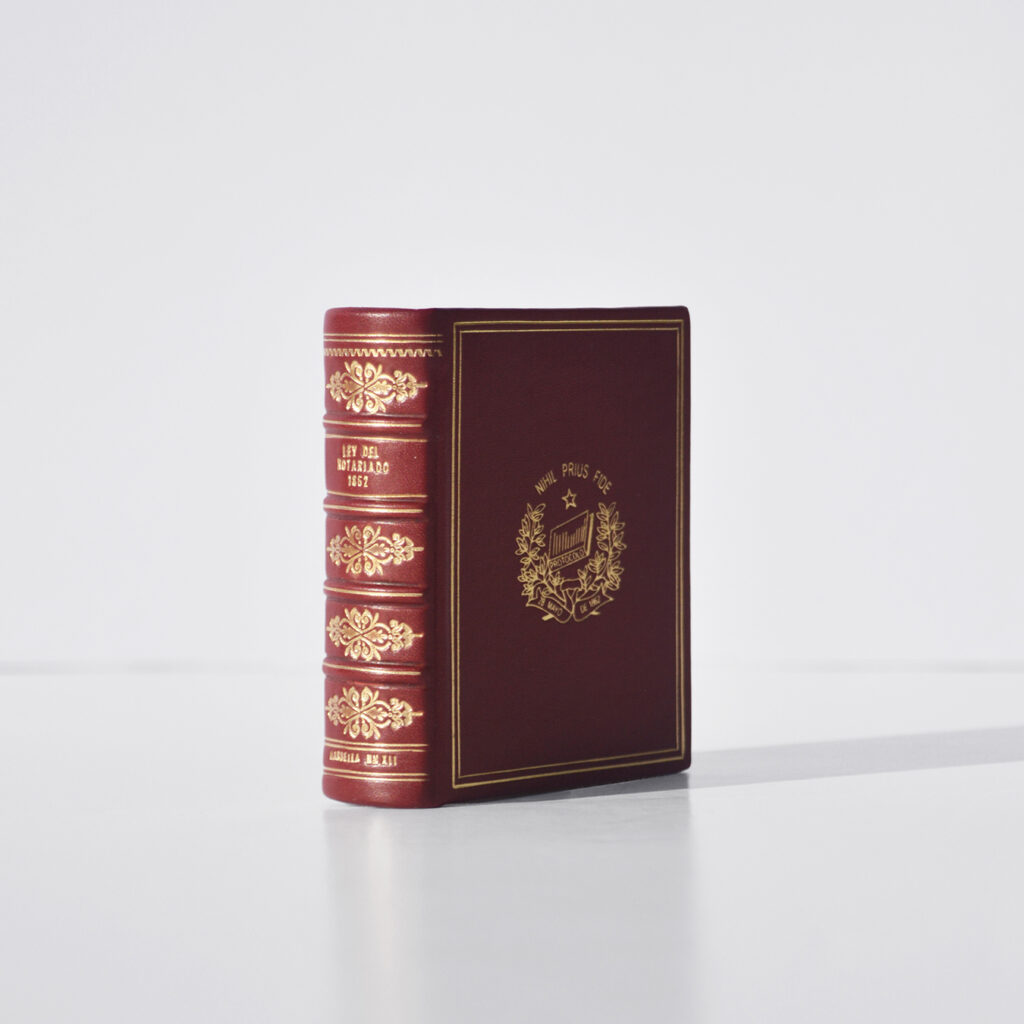
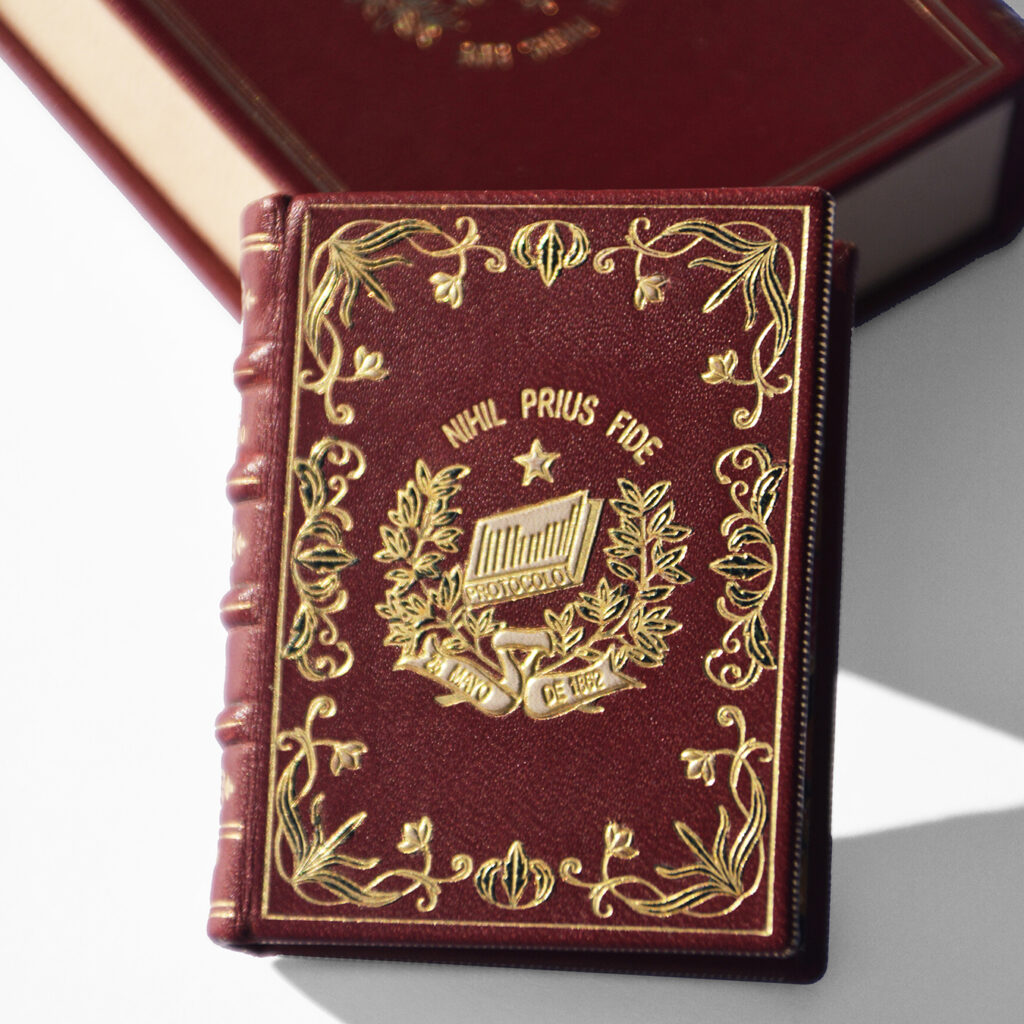
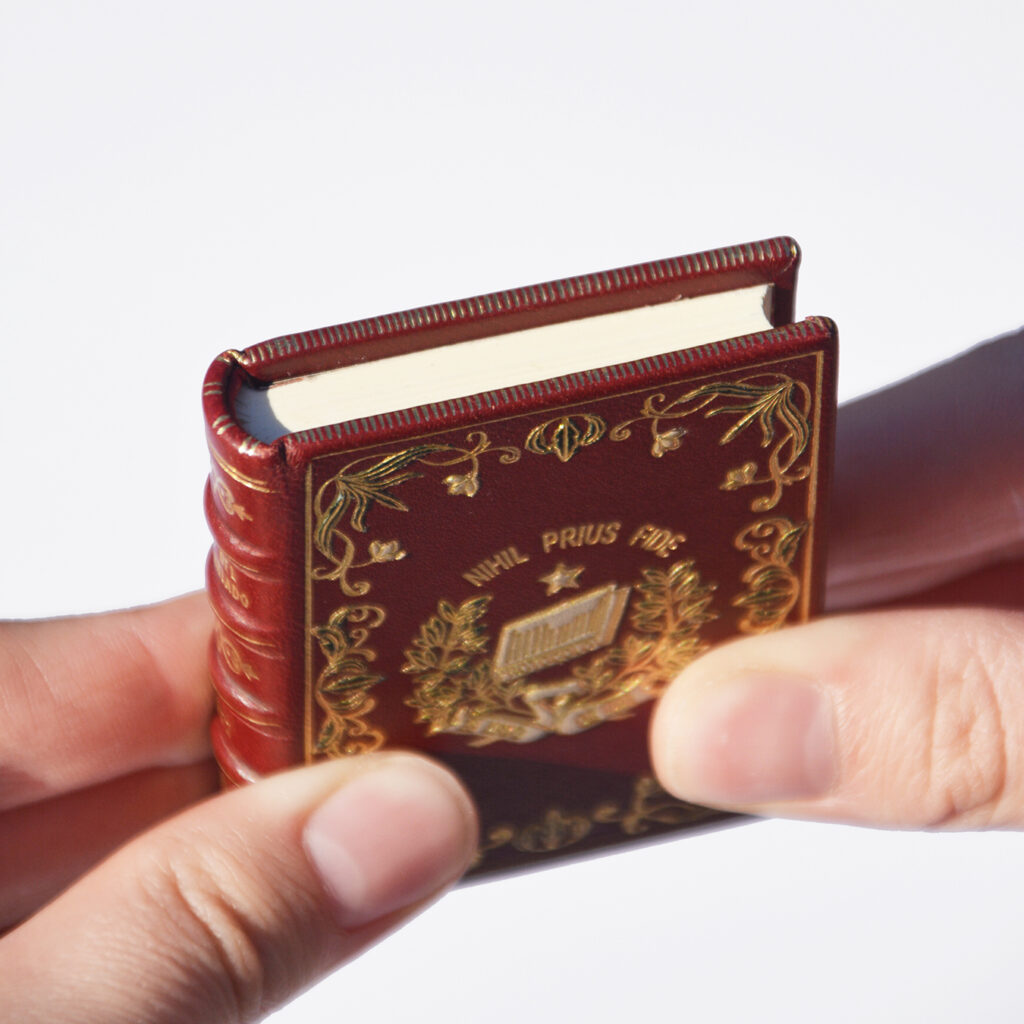
Notary laws. Manuel García de Fuentes Churruca.

Binding 2024.
Edition 2012.
Private collection.
©Mínguez

Skip to content